Build on Your Lot in Middle Tennessee: What Landowners Must Know Before Breaking Ground
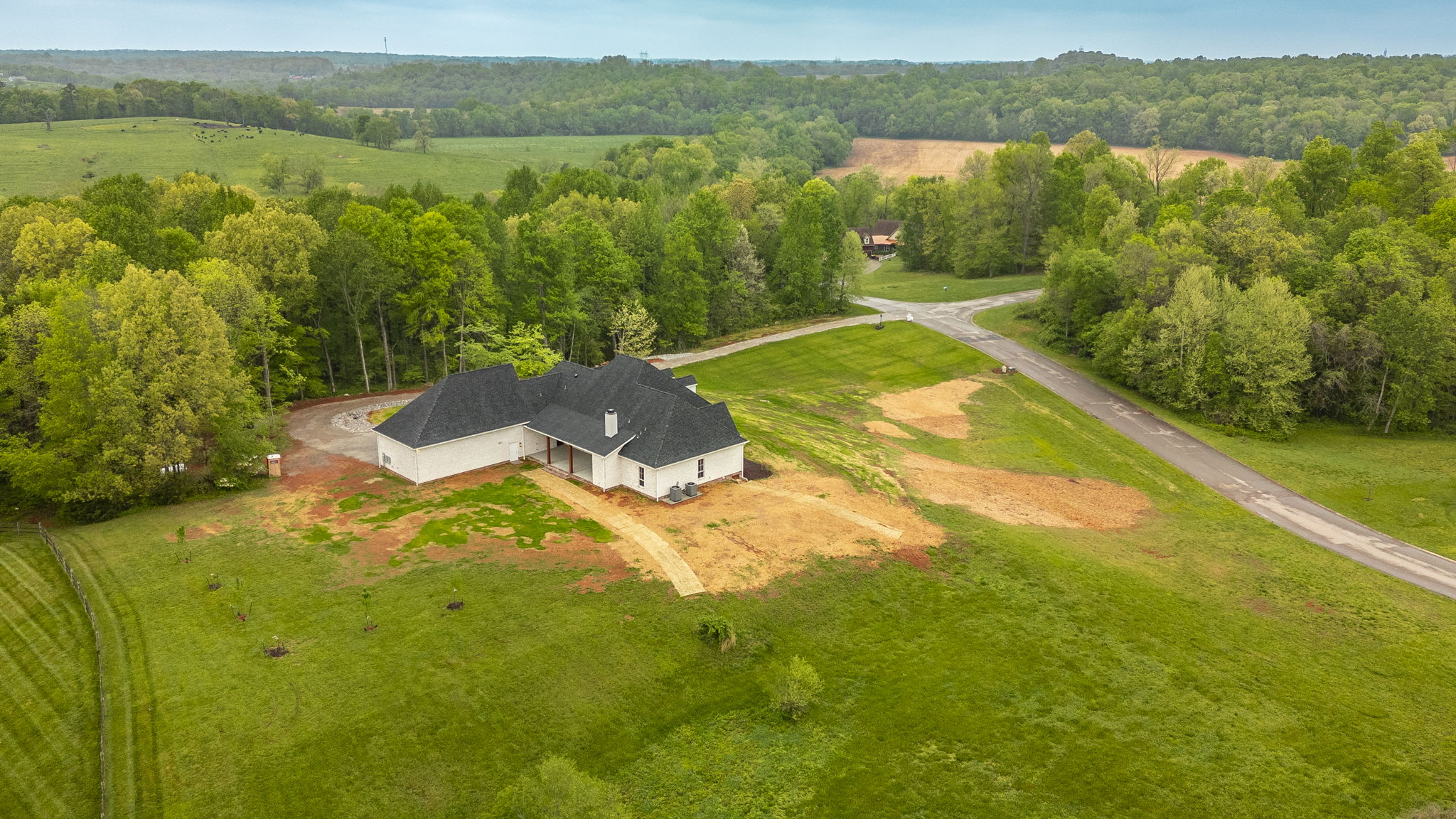
You own land. Maybe it’s 2 acres in Rutherford County. Maybe it’s 15 acres in Coffee County with rolling hills and sunset views. Maybe it’s family property in Bedford County you’ve held onto for years.
You’re ready to build.
But then the questions start:
- Can I build on my land in Tennessee?
- How does the septic approval process in Tennessee work?
- What is the real cost to build on my land?
- Do I need a perc test in Tennessee?
- How much will site prep cost?
Building on private land in Rutherford County, Wilson County, Bedford County, Coffee County, Dickson County, or Franklin County is very different than buying in a subdivision. Rural land development requires experience, especially when it comes to soils, septic systems, slopes, utilities, and zoning.
Let’s walk through what you need to know before you hire a custom home builder on your land.
Can You Build on Your Land? What to Check First
Before talking floor plans, basement options, or square footage, we need to answer one question:
Is your land truly buildable?
Here’s what we evaluate first for landowners across Middle Tennessee.
- Soil Type & Soil Testing for Home Construction
In Tennessee, soil controls everything.
Each property has mapped soil classifications through USDA and state resources, but that’s just the starting point. What matters most is:
- Absorption rate (minutes per inch)
- Depth to restrictive layers (like fragipan)
- Drainage characteristics
- Slope percentage
If your soil has slow absorption (75+ MPI), you’ll need significantly more area for septic. If you hit a fragipan at shallow depth, that could limit approval entirely.
This is why soil testing for home construction is critical before you design the house.
- Septic Feasibility & the Septic Approval Process in Tennessee
In rural areas of Rutherford, Bedford, Coffee, Franklin, and parts of Wilson and Dickson County, most homes are on septic.
The septic approval process in Tennessee typically includes:
- Soil mapping review
- On-site evaluation by a licensed soil scientist
- Perc test (perc test Tennessee) if required
- Layout for primary and repair field
- Health department approval
No septic approval = no building permit.
If you’re planning to build on a septic lot, we must confirm:
- Bedroom count approval
- Drain field size
- Repair area availability
- Setbacks from property lines and wells
This isn’t something you want to “figure out later.”
- Utilities: Water & Power
Next question:
- Is public water available?
- Or will you need a well?
- How far is the nearest power pole?
Utility runs in rural Tennessee can range from $5,000 to $30,000+ depending on distance and terrain.
When calculating the cost to build on your land in Tennessee, this is often the first surprise for landowners.
- Road Frontage & Access
Does your property have:
- Legal road frontage?
- A recorded easement?
- State-approved driveway access?
Counties like Dickson, Cannon, and Franklin are strict about driveway permits and sight distance requirements. If your land is landlocked, development costs increase significantly.
- Zoning & Setbacks
Each county has different zoning regulations.
- Rutherford County has minimum lot sizes depending on zoning district.
- Wilson County can have agricultural overlays.
- Bedford and Coffee Counties often have rural zoning but still require setbacks.
- Franklin County has specific slope and floodplain considerations.
Before you build on your lot in Middle Tennessee, zoning must match your plans.
The True Cost to Build on Your Land in Middle Tennessee
Let’s talk real numbers.
The home price is only part of the equation. Building on acreage includes land development costs most buyers never consider.
Here are the major categories.
- Site Prep Cost
Site prep cost depends on:
- Tree clearing
- Stump removal
- Rough grading
- Erosion control
- Excavation for foundation
Flat land? Lower cost.
Sloped property in Coffee County? Significantly higher.
For basement homes, excavation costs increase — but if your land slopes naturally, you may actually benefit by building down rather than hauling dirt away.
- Septic System Installation
Costs vary based on:
- Soil absorption rate
- Conventional vs. alternative system
- Length of drain field
Conventional systems may range $8,000–$15,000.
Engineered systems can exceed $20,000+.
This is why understanding your soil upfront matters.
- Driveways
Gravel driveway: $3,000–$8,000 depending on length.
Long paved (asphalt) driveway on acreage? $15,000+.
In rural land development, driveway length is often underestimated.
- Utility Runs
- Power extension
- Transformer installation
- Water tap fees
- Well drilling if needed (cost anywhere from $30 – $50K)
Distance is everything.
- Slope Challenges
Steep land requires:
- Retaining walls
- Engineered foundations
- Additional grading
If you’re looking for a basement home builder, slopes may be an advantage — but only if engineered correctly.
A Real-World Example
A landowner in Bedford County owned 7 acres for years. Beautiful pasture. Gentle slope. Perfect sunset view.
They assumed it was ready to build.
When we reviewed soils, we discovered:
- Majority of the property had 75–90 MPI absorption rates
- Drain field would require nearly 12,000 square feet
- Primary building site was over 200 feet from power
- Water tap was across the road
The home was buildable — but site prep cost and utility extensions added nearly $40,000 beyond expectations.
Because we caught it early, they adjusted their home placement and saved over $15,000 by shifting the build site closer to utilities.
That’s the difference experience makes.
How to Choose the Right Custom Home Builder on Your Land
Not every builder is equipped for rural development.
Here’s what to look for:
✔ Experience with Septic Systems
They should understand perc test Tennessee requirements and health department processes.
✔ Deep Understanding of Soils
They should know how fragipan, slope, and absorption rates affect design and cost.
✔ County-Specific Experience
Rutherford County TN is different than Coffee County.
Wilson County is different than Franklin County.
Permitting timelines, soil conditions, and development standards vary.
✔ Basement & Slope Experience
If you’re building on rolling land, your builder must understand excavation, retaining, and drainage.
✔ Transparent Cost Breakdown
You should receive a detailed breakdown including:
- Site prep
- Septic
- Utilities
- Driveway
- Clearing
- Foundation type
No surprises.
Can I Build on My Land in Tennessee?
In most cases — yes.
But the better question is:
What will it cost, and what challenges need to be solved first?
Before selecting a floor plan, schedule a land evaluation.
Schedule a Land Evaluation
If you own land in:
- Rutherford County
- Wilson County
- Bedford County
- Coffee County
- Dickson County
- Franklin County
And you’re thinking about building, let’s evaluate your property first.
We specialize in:
- Soil review
- Septic feasibility
- Utility planning
- Site placement strategy
- Rural land development
Before you design the house, make sure the land supports the vision.
Schedule your land evaluation today and build with confidence.
Frequently Asked Questions
- Can I build on my land in Tennessee without septic approval?
No. Septic approval (or sewer access) is required before a building permit. - How long does the septic approval process in Tennessee take?
Typically 2–6 weeks depending on county and soil complexity. - Do I need a perc test in Tennessee?
In many rural counties, yes — especially if soils are marginal. - What is the average site prep cost in Middle Tennessee?
It varies widely but can range from $10,000 to $50,000+ depending on terrain and utilities. - Can I build a basement home on rural land?
Yes — especially on sloped property — but it requires proper engineering. - Is building on acreage more expensive than a subdivision lot?
Often yes, due to utilities and septic, but you gain privacy and flexibility.